Seawater desalination equipment

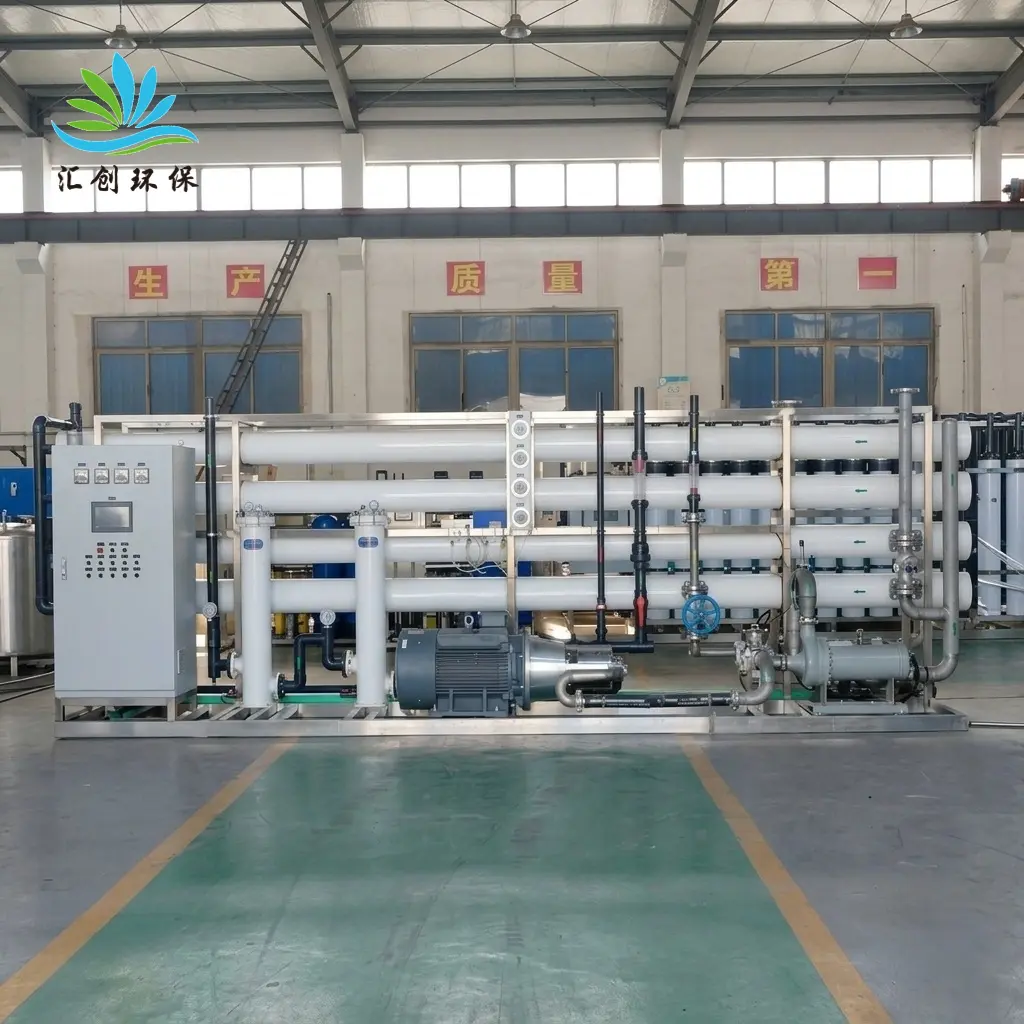
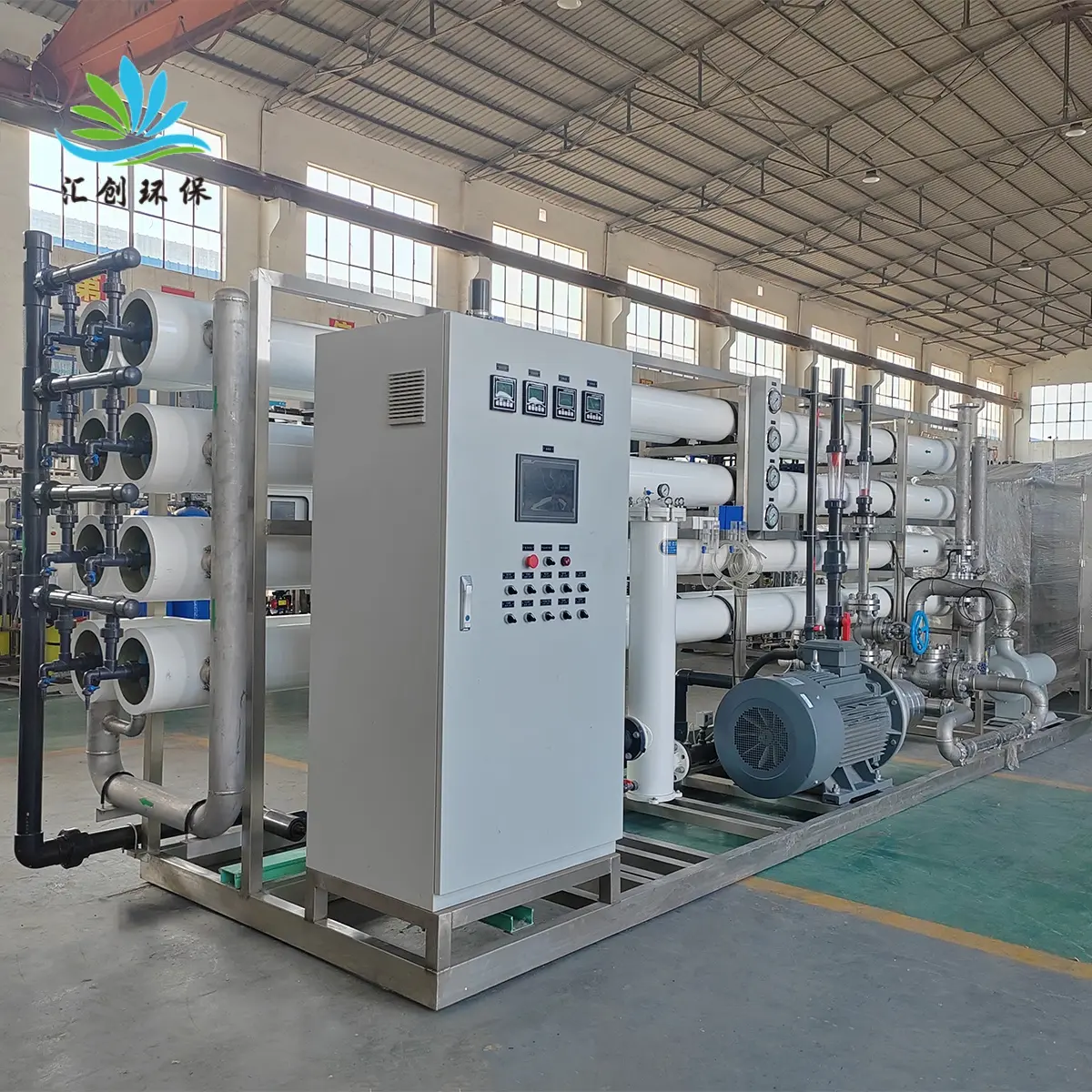
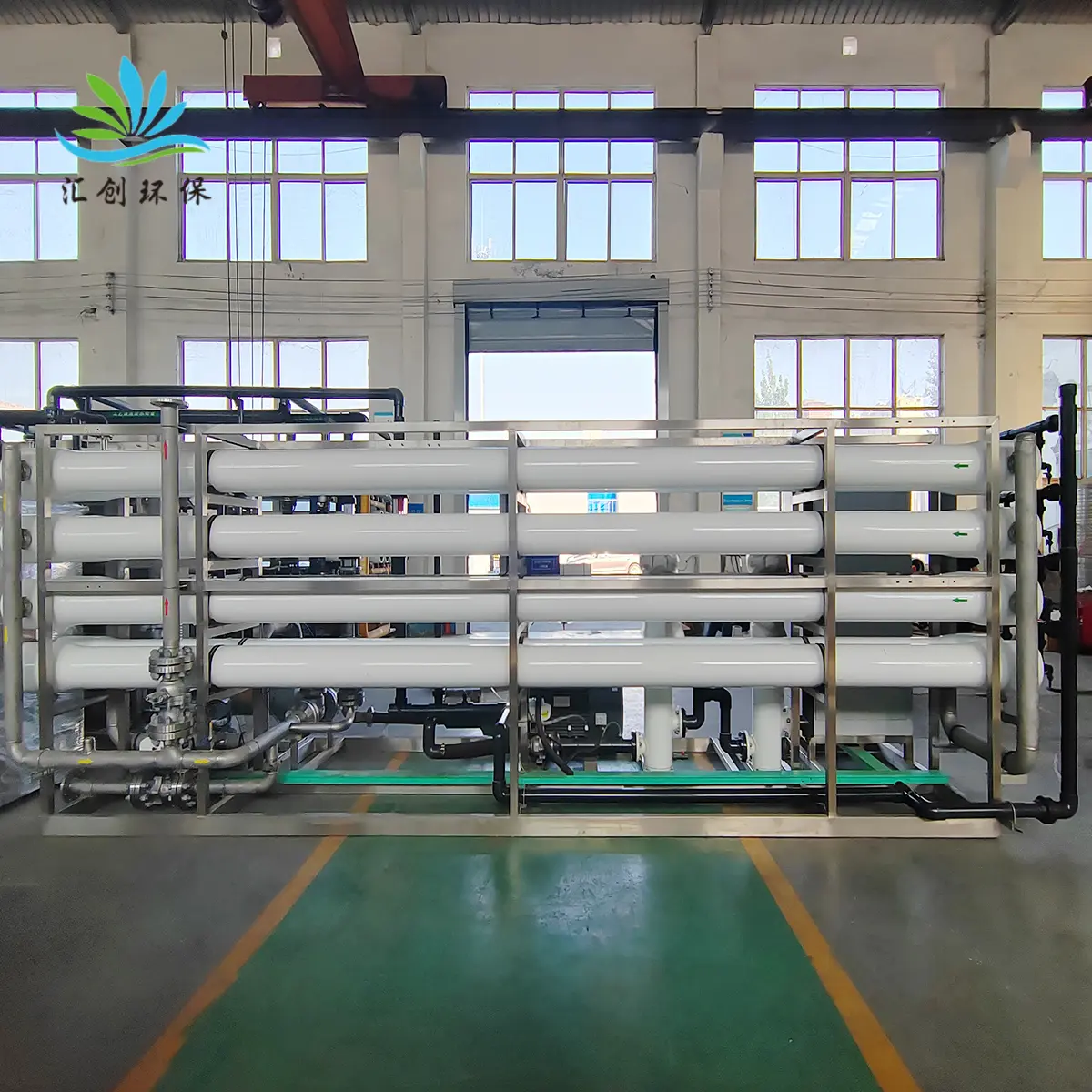
The 1-ton seawater desalination unit features a design capacity of 1 cubic meter per hour, making it suitable for small- to medium-scale applications such as island use, coastal industrial operations, agricultural irrigation, and residential water supply. The system utilizes advanced reverse osmosis (RO) technology as its core process, complemented by pre-treatment and post-treatment systems, to ensure the output water meets standards for either drinking or industrial use.
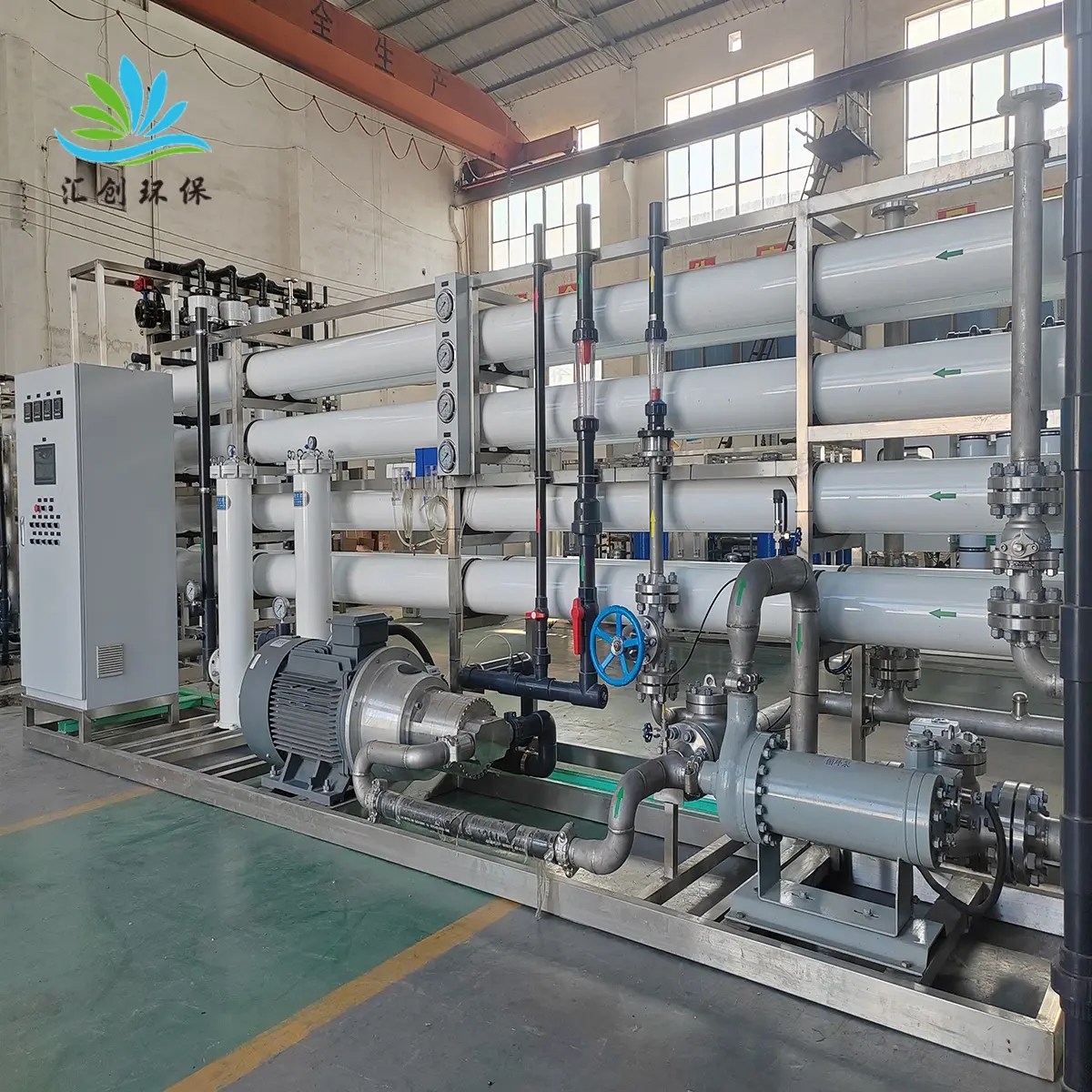
The 1-ton seawater desalination unit features a design capacity of 1 cubic meter per hour, making it suitable for small- to medium-scale applications such as island use, coastal industrial operations, agricultural irrigation, and residential water supply. The system utilizes advanced reverse osmosis (RO) technology as its core process, complemented by pre-treatment and post-treatment systems, to ensure the output water meets standards for either drinking or industrial use.

seawater desalination equipment 02

Working Principle

Seawater enters the reverse osmosis (RO) membrane assembly after passing through a pretreatment system that removes suspended solids, impurities, and some salts. The RO membrane features extremely high filtration precision, effectively rejecting salts, heavy metals, bacteria, and other impurities while allowing water molecules to pass through, thereby desalinating and purifying the seawater. The treated water (freshwater) meets usability standards, while the remaining concentrated brine is discharged or reused according to requirements.

Equipment Components

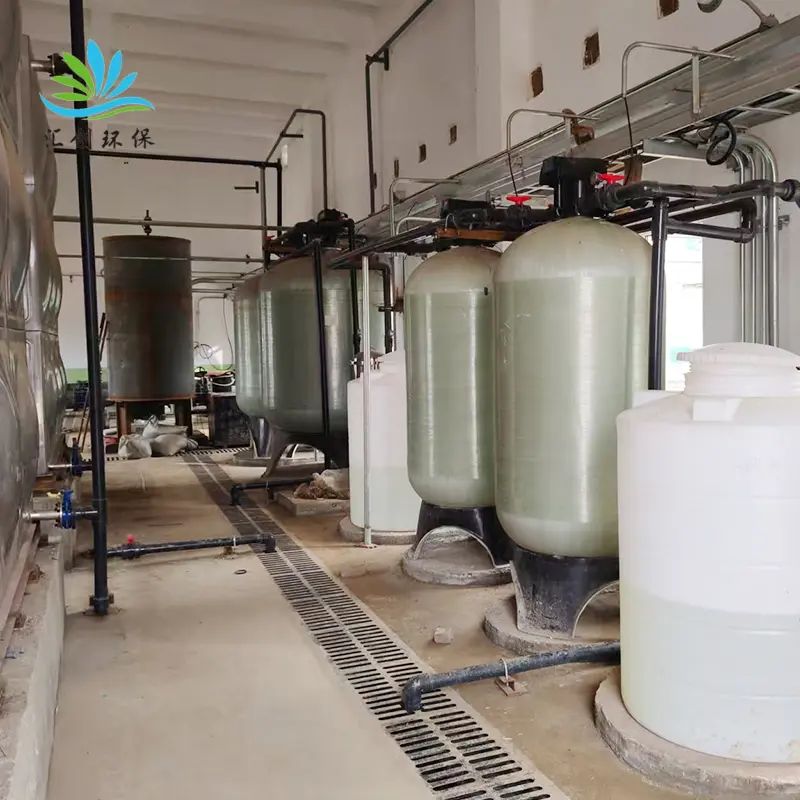
1. Pretreatment System: Includes filters, activated carbon adsorption units, and softening devices to remove suspended solids, organic matter, and hardness from the seawater, protecting the RO membrane from fouling.

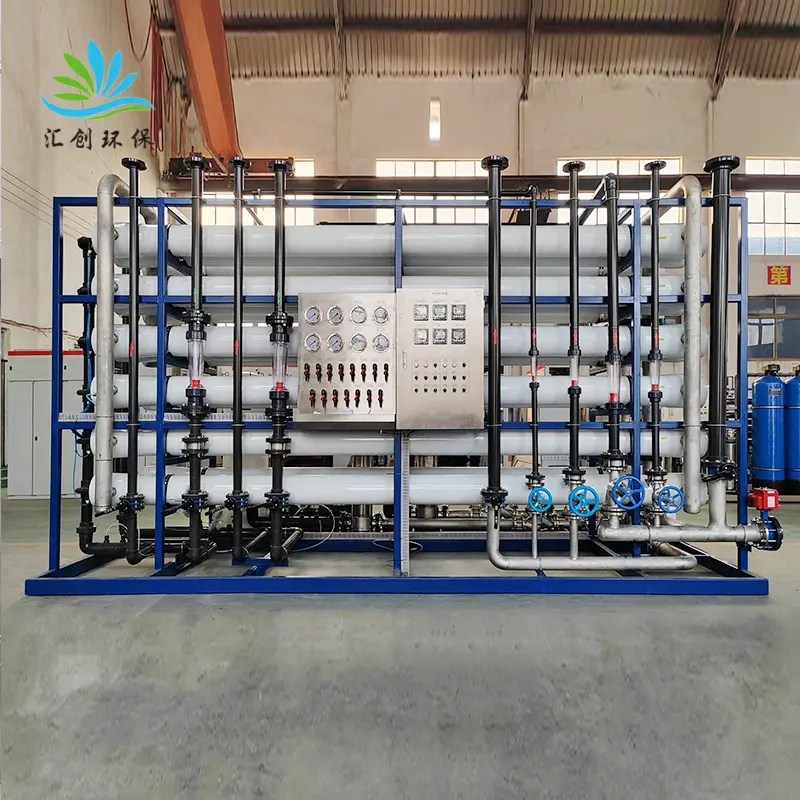
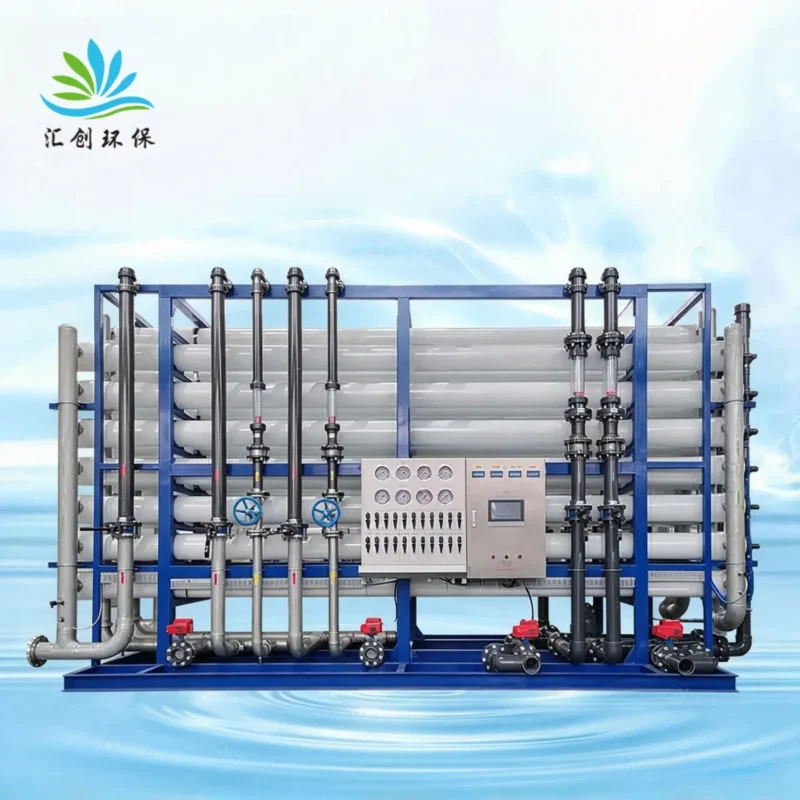
2. RO Main Unit: The core component is the RO membrane; a high-pressure pump provides the necessary pressure to drive water separation and purification.

3. Post-treatment System: Adjusts the pH and disinfects the desalinated water to ensure the quality meets standards for drinking or industrial use.

4. Auxiliary Equipment: Includes high-pressure pumps, control systems, water storage tanks, and power distribution cabinets to ensure stable equipment operation.

Costs and Maintenance

While the initial investment for the equipment is relatively high, operating costs—primarily electricity and the periodic replacement of RO membranes—are manageable through proper maintenance and management.

Advantages and Applications

The 1-ton seawater desalination unit is characterized by high efficiency, environmental friendliness, and strong adaptability, making it particularly suitable for water-scarce regions or coastal industrial water needs. With technological advancements, energy consumption and costs are continuously decreasing, offering broad application prospects.

In summary, the 1-ton seawater desalination unit is a practical technology for utilizing seawater resources; it effectively alleviates freshwater shortages and provides high-quality water for industrial production and daily life.
 

seawater desalination equipment 04


Reviews

There are no reviews yet.

Be the first to review “Seawater desalination equipment”

Your email address will not be published. Required fields are marked *

Company Overview

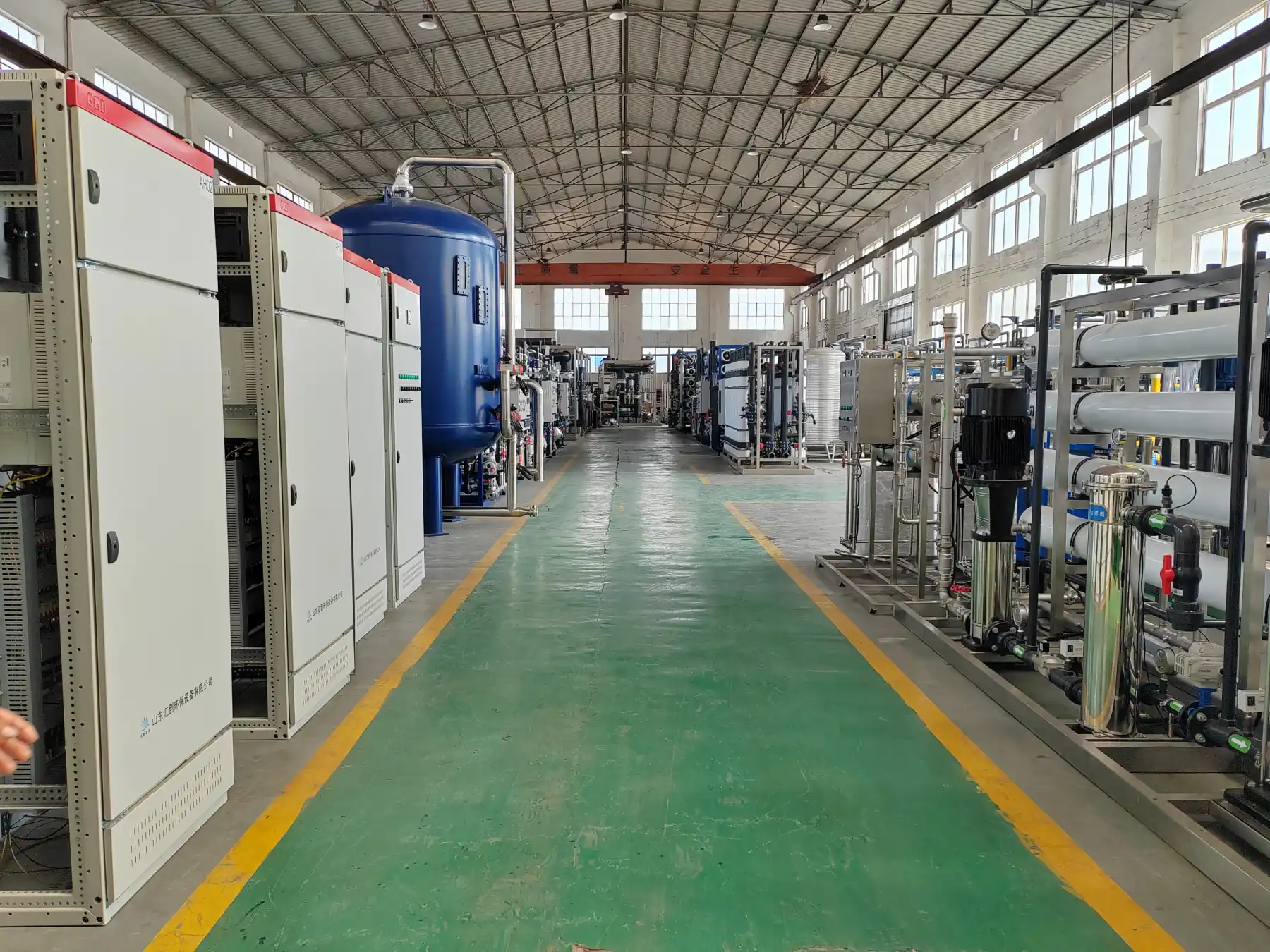
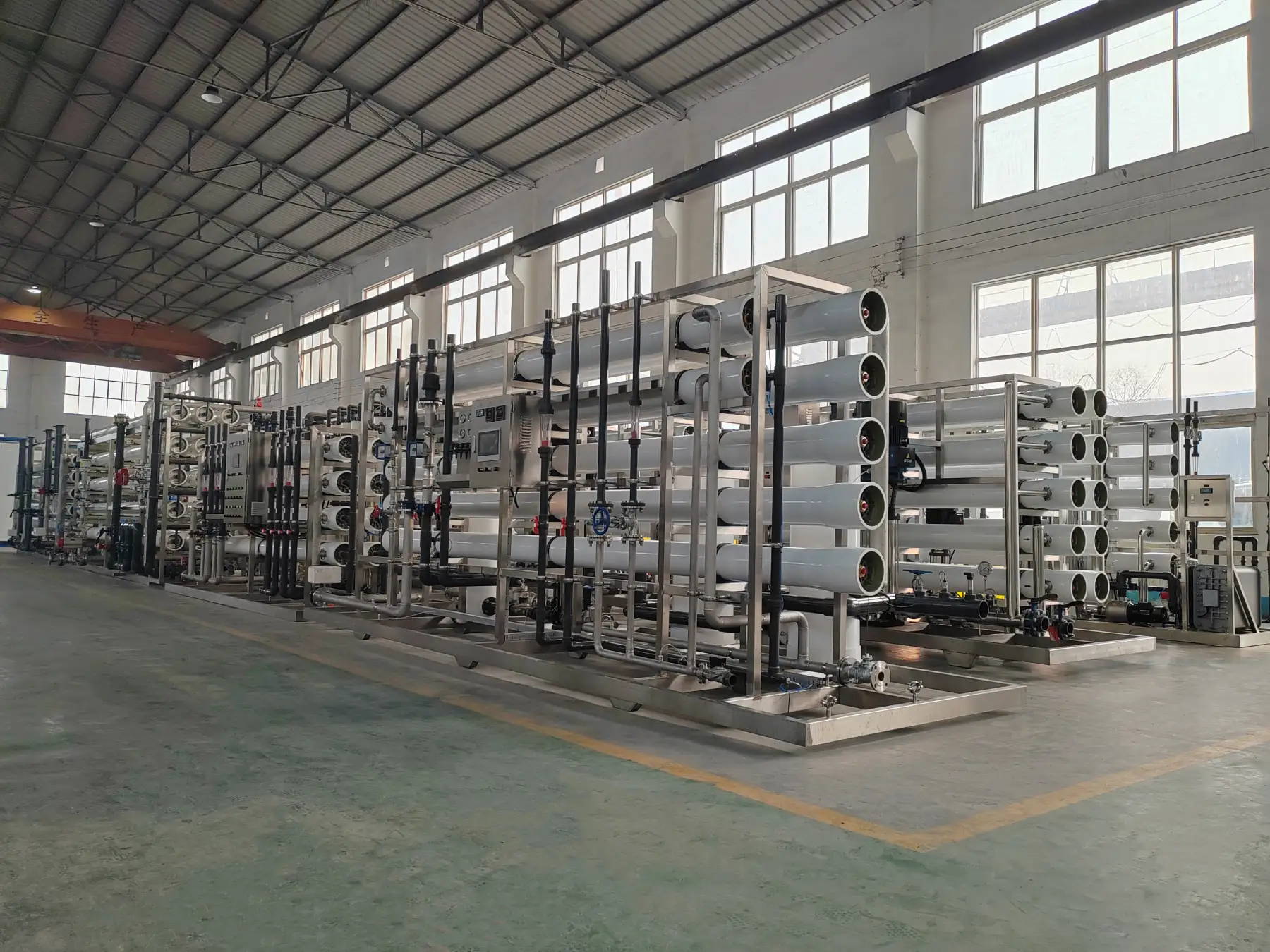
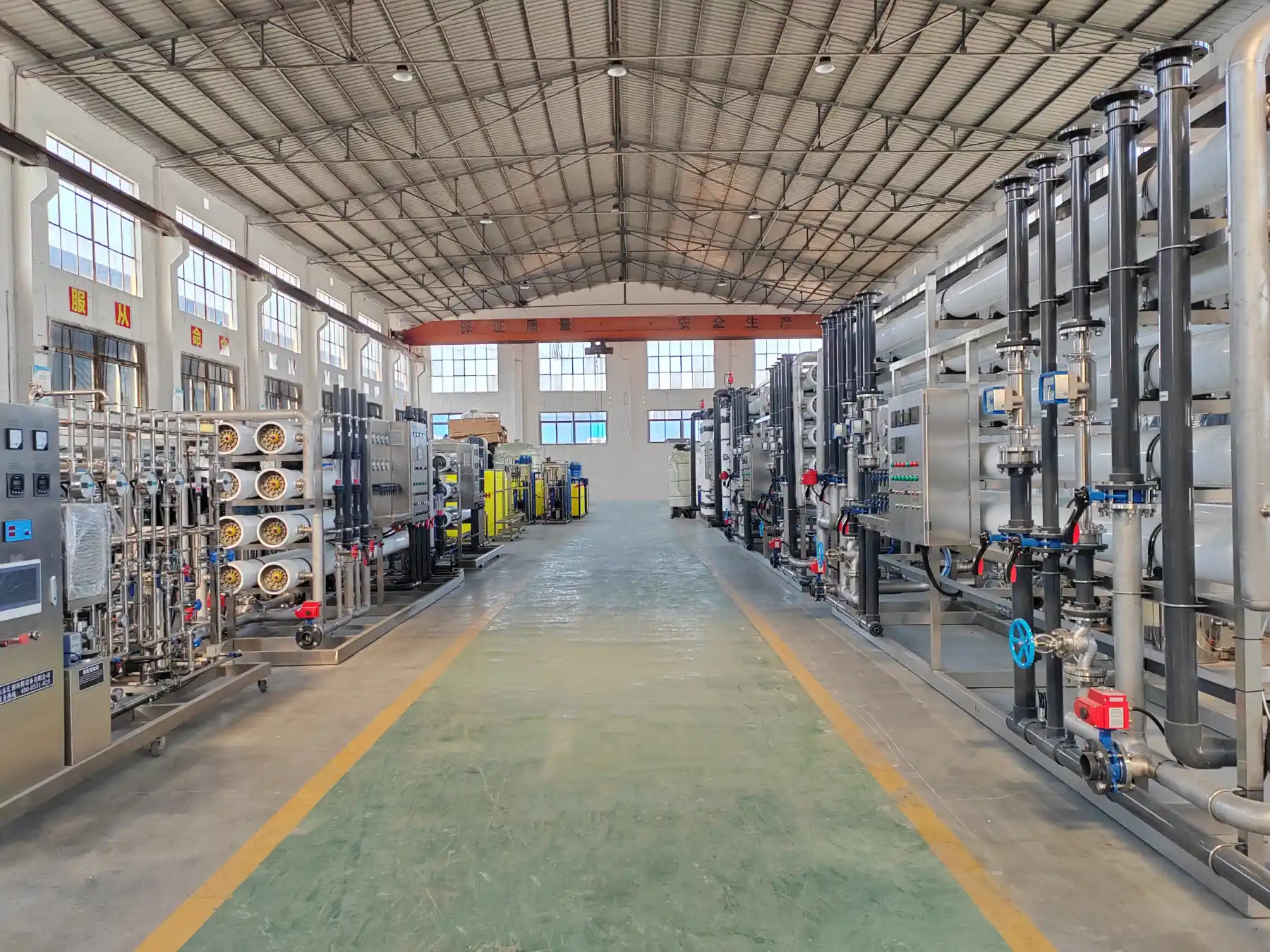
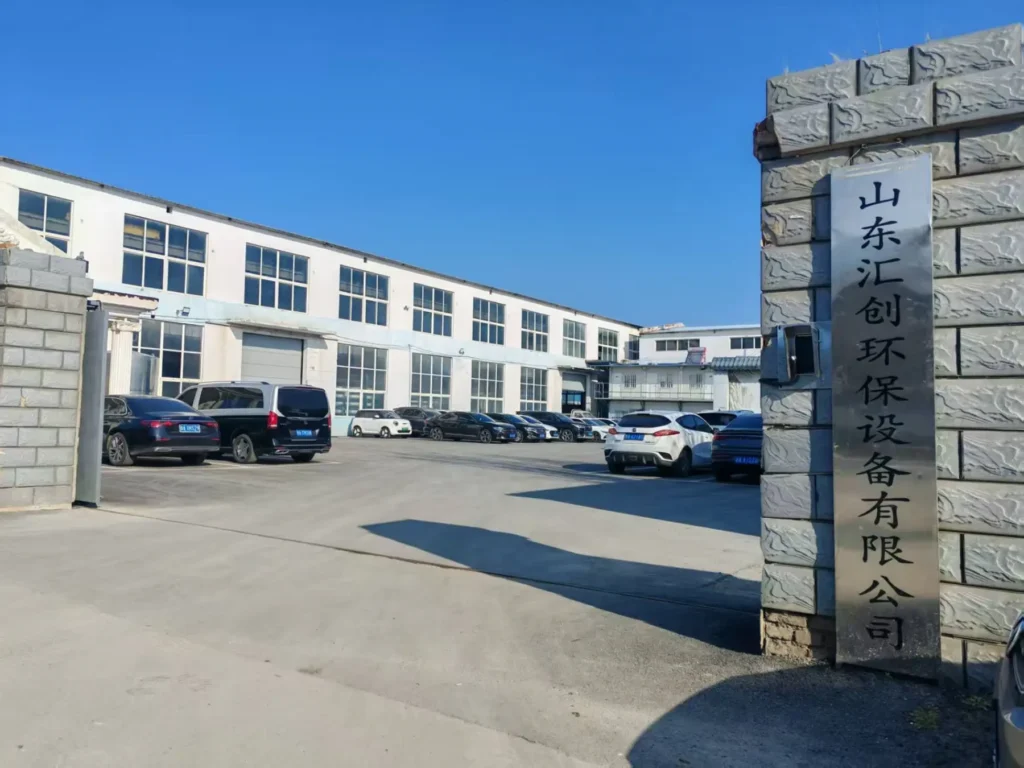
Shandong Huichuang Environmental Protection Equipment Co., Ltd. is a hightech enterprise specialized in the design, R&D, production, sales and construction of water treatment products.
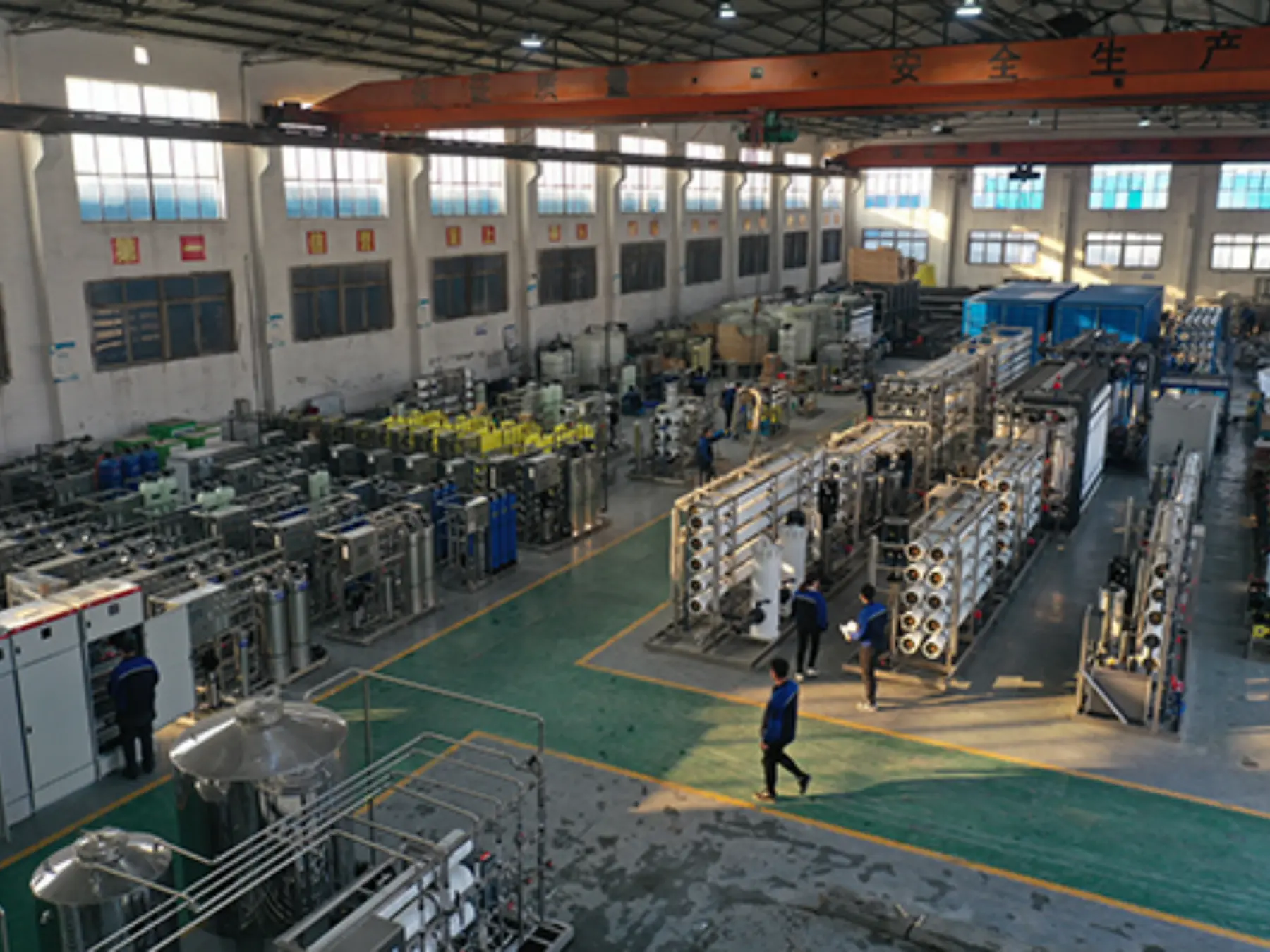
Huichuang covers an area of 15,000 square meters with a registered capital of 50 million RMB, fully equipped with hardware and software facilities. The company has a team of high-quality technical personnel specializing in water treatment product R&D and engineering applications, including 15 engineers, over 30 engineering technicians, and over 40 production personnel.

factory img 05

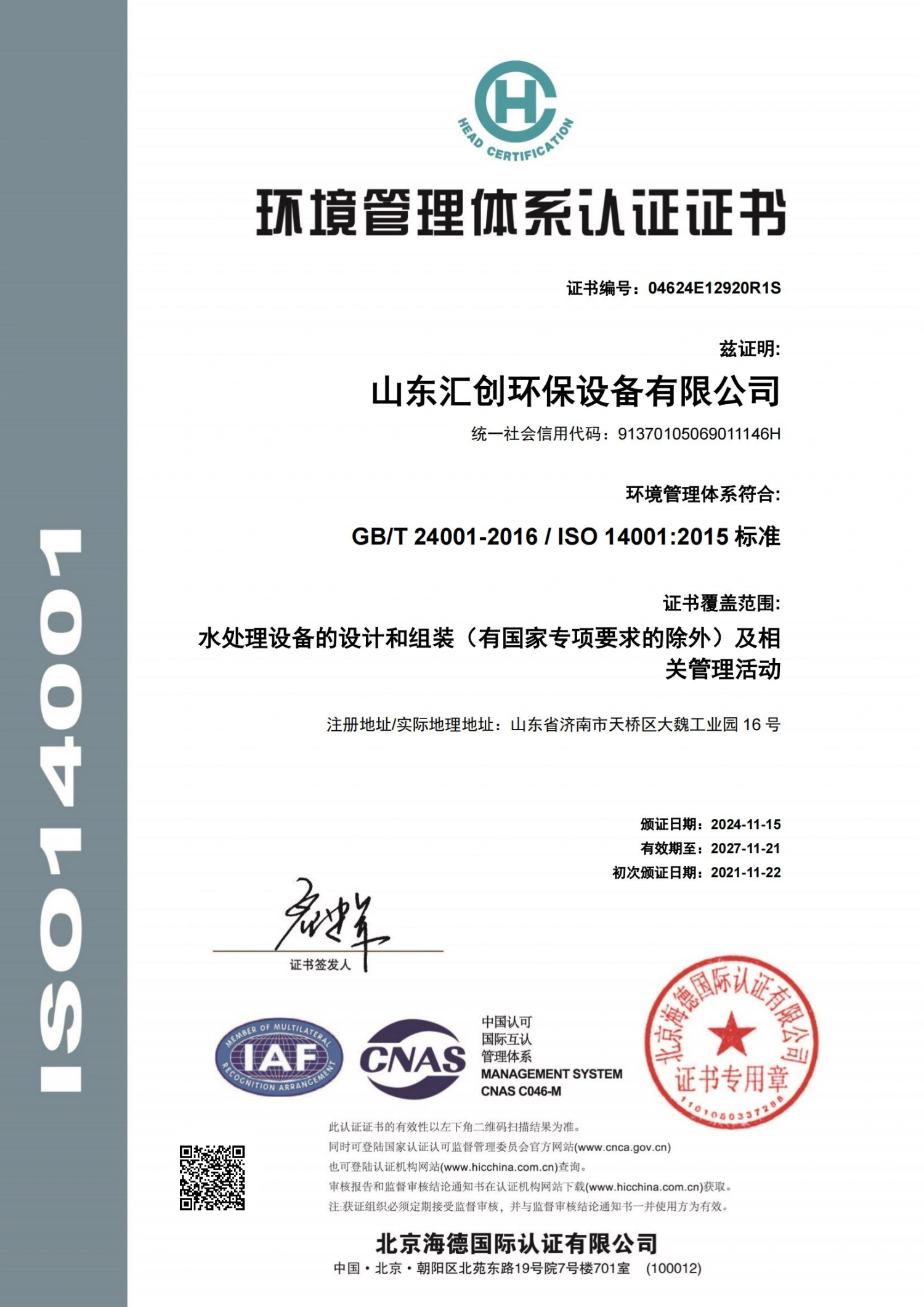
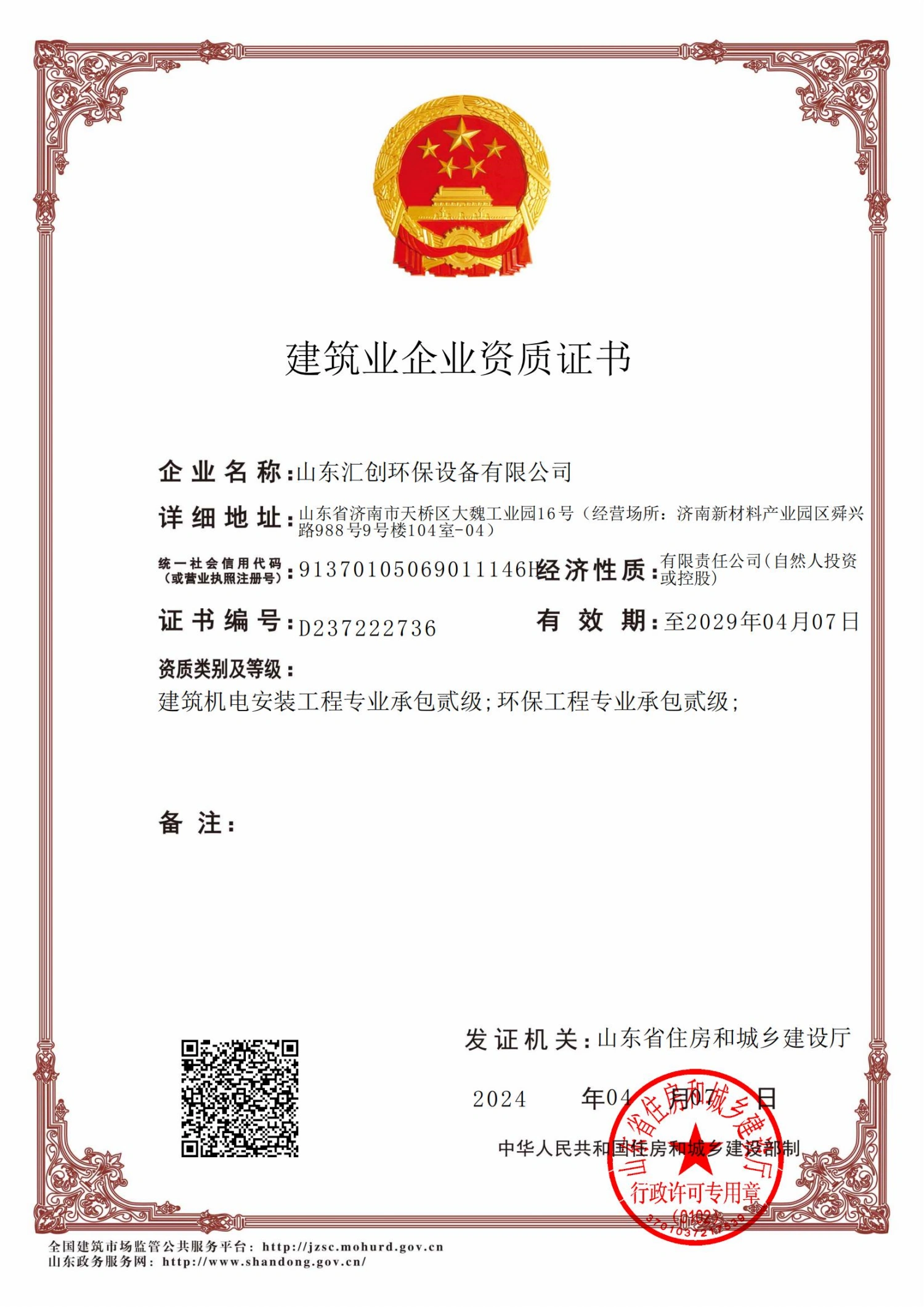
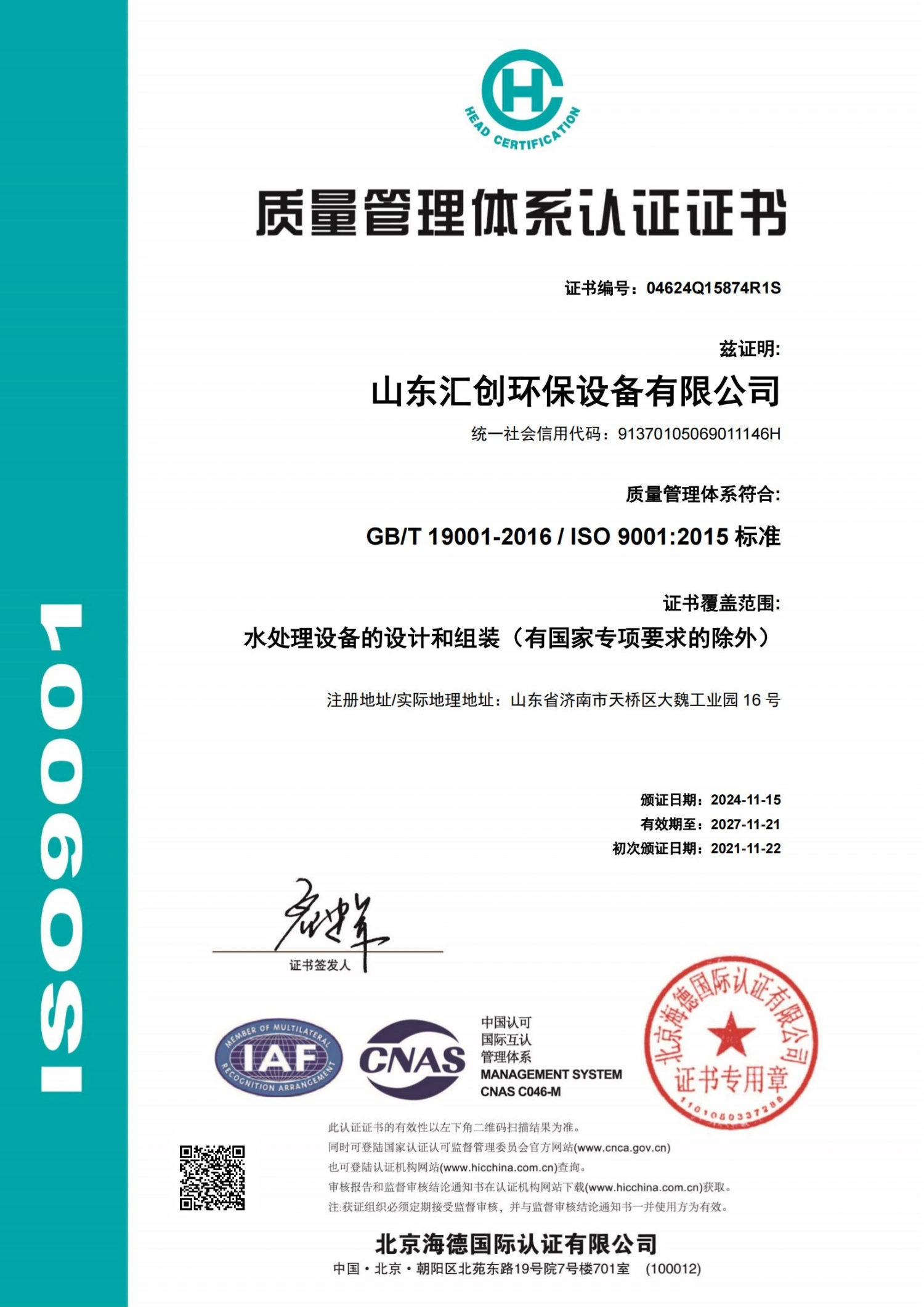
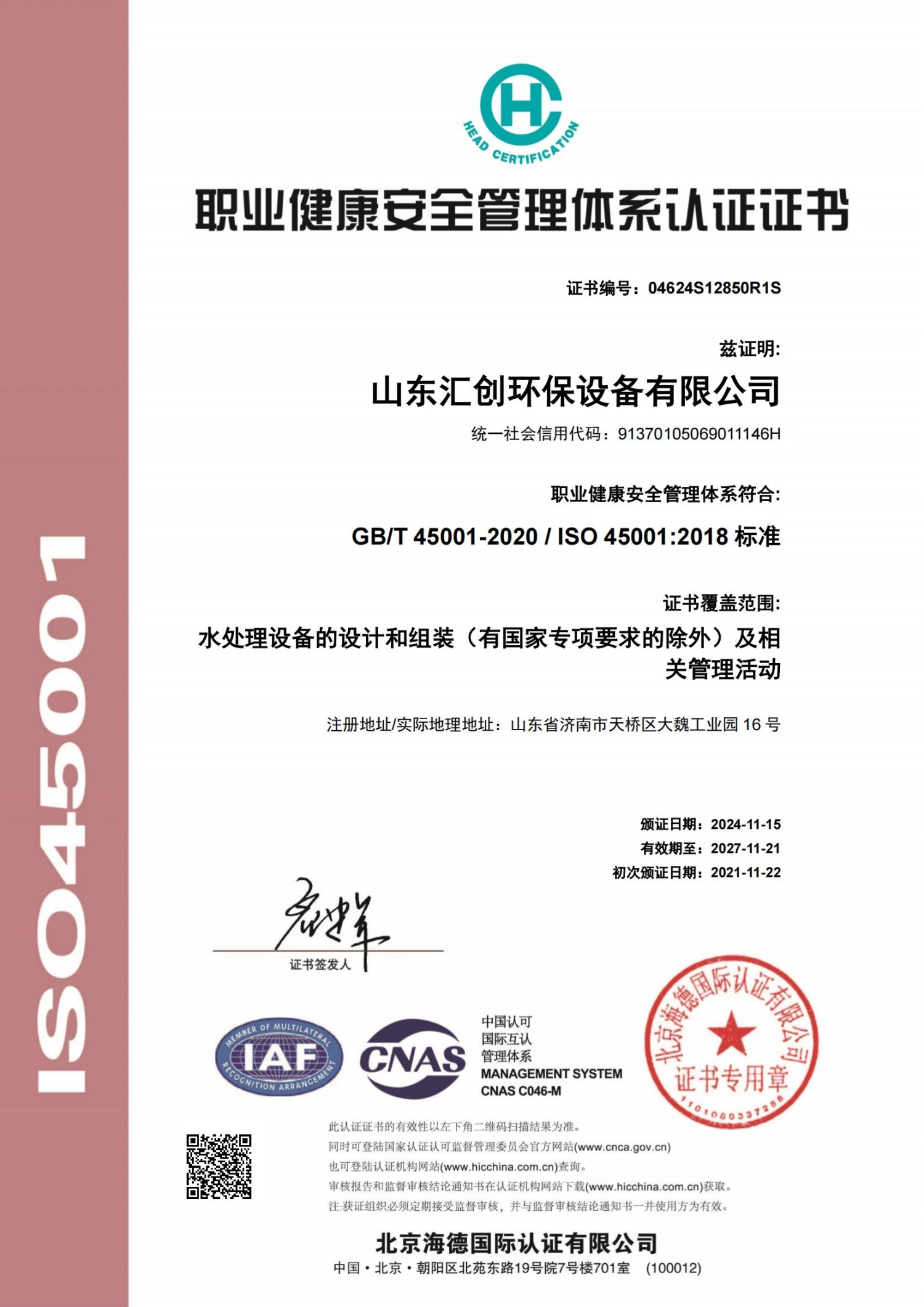
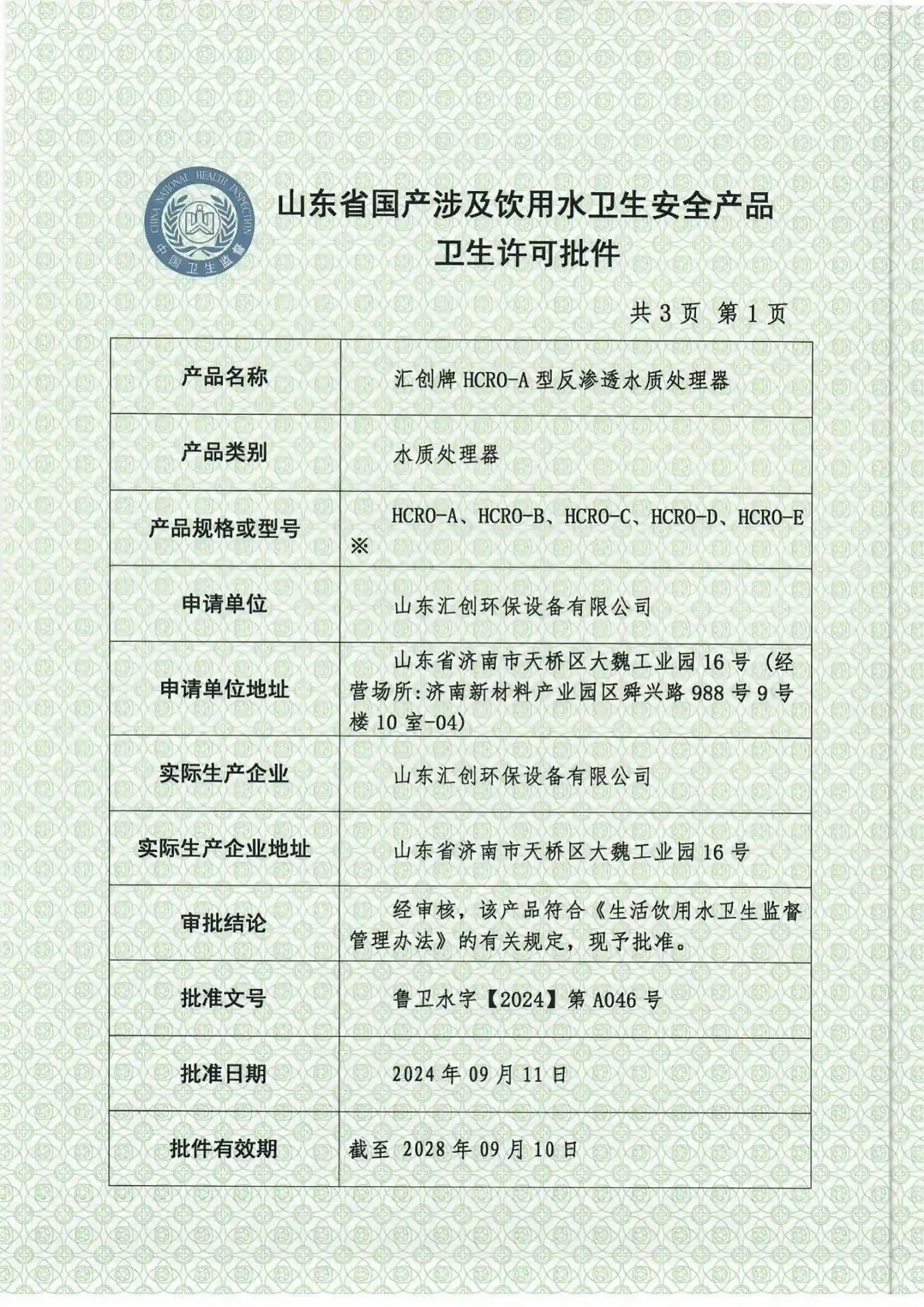
Certificates

Factory Show

FAQ

Can you customize water treatment systems based on my raw water report?
A

Yes, absolutely. Water quality varies significantly by region and source. We provide 100% non-standard customization (OEM/ODM). Simply share your raw water test report (TDS, pH, turbidity, hardness, COD, heavy metals) and your target output water standards, and our engineering team will design a tailor-made process flow and equipment layout for you.

A
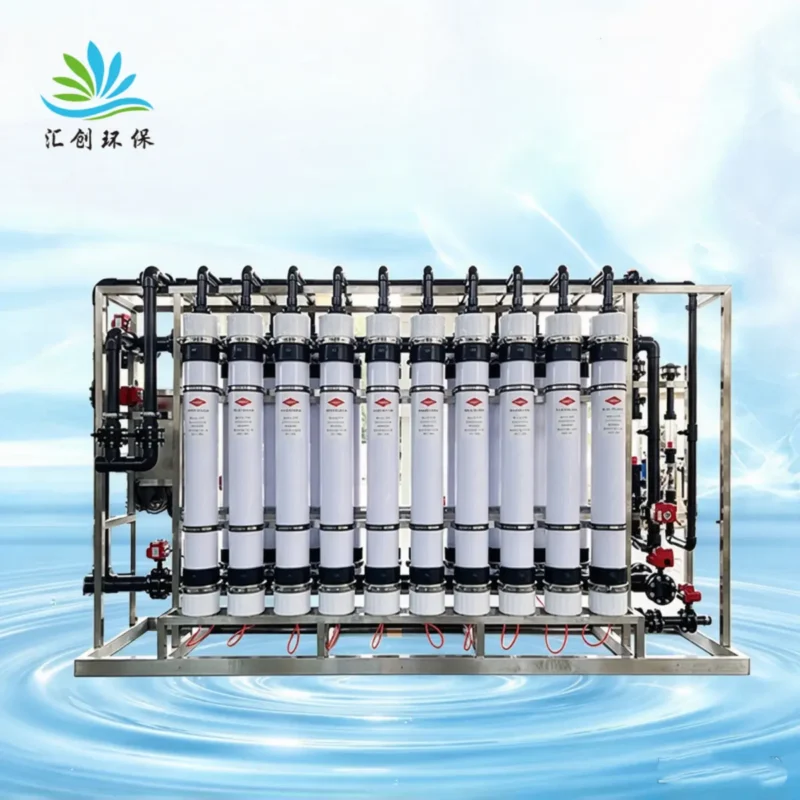
  • UF (Ultrafiltration): Best for removing suspended solids, bacteria, and colloids (pre-treatment or surface water purification).

  • RO (Reverse Osmosis): Ideal for general pure water production, removing 95%–98% of dissolved salts and heavy metals.

  • EDI (Electro-deionization) / Ultrapure: Used after double-stage RO to produce high-resistivity ultra-pure water ($10\text{–}18\,\text{M}\Omega\cdot\text{cm}$) for pharmaceutical and electronics industries.

  • DTRO / STRO: Designed specifically for high-salinity, high-COD, and difficult wastewater streams like landfill leachate and industrial ZLD projects.

A

We prioritize system stability and longevity. We use top-tier global and leading industry brands for critical components, such as DuPont (Filmtec), Hydranautics, Toray for membrane elements, and Grundfos / CNP for high-pressure pumps, paired with Siemens / Schneider PLC smart control systems. Client-specified brands are also welcome.

A

Every system undergoes a rigorous Factory Acceptance Test (FAT) before leaving our facility. We perform pressure tests, electrical safety inspections, PLC automation program debugging, and wet testing to ensure leak-free, stable performance. We also provide full inspection videos and testing reports to overseas clients prior to delivery.

A
  • Standard Commercial/Industrial RO & UF Units: 15 – 25 working days.

  • Large-scale Engineering & Customized Integrated Systems (DTRO/ZLD/Containerized): 30 – 45 working days, depending on system complexity and component customization.